
 Image 1 of 1
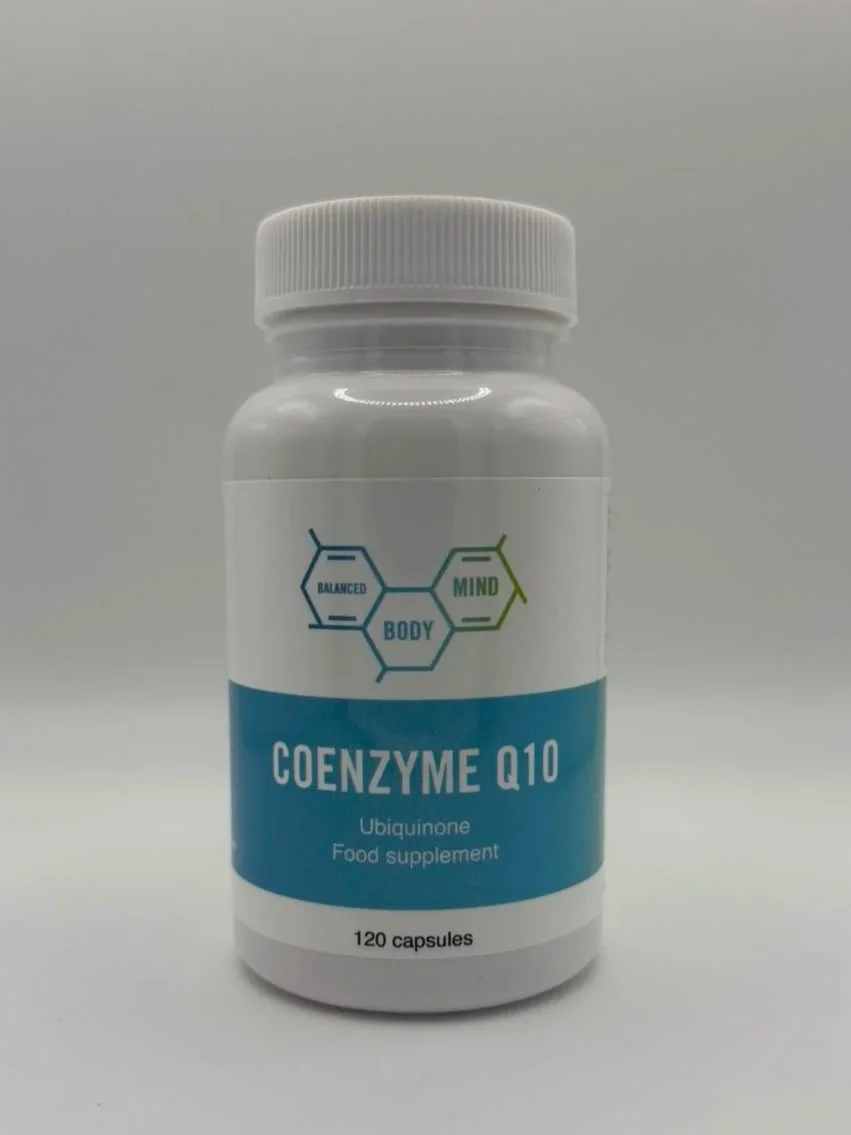
100 miligram servings
120 capsules per pot
Ingredients: 100% Pure CO Q10 derived from Rhodobacter
Potential Benefits of CoQ10 Supported by Research
Contributes to normal energy production — CoQ10 is essential for mitochondrial ATP synthesis; supplementation may support cellular energy metabolism, particularly in contexts of declining natural levels.
Provides antioxidant support — Helps protect cells from oxidative stress by boosting total antioxidant capacity and reducing markers like malondialdehyde. Meta-analyses show consistent effects on oxidative stress biomarkers.
May help maintain normal heart function and cardiovascular health markers — Some evidence indicates modest support for blood pressure regulation (e.g., small reductions in systolic BP) and heart failure symptoms when used alongside standard care. Results vary; not a substitute for medical treatment.
Supports aspects of metabolic health — May contribute to healthy lipid profiles (e.g., modest improvements in triglycerides, total/LDL cholesterol, HDL) and glycaemic control (e.g., reductions in fasting glucose/HbA1c) in people with metabolic concerns. Effects are generally small.
May reduce markers of inflammation — Supplementation is associated with lower levels of inflammatory markers like CRP, TNF-α, and IL-6 in some meta-analyses, supporting general wellbeing in oxidative/inflammatory contexts.
Other areas of interest — Preliminary research explores benefits for migraine frequency, fertility parameters, and exercise recovery/energy, but evidence is mixed or limited.
100 miligram servings
120 capsules per pot
Ingredients: 100% Pure CO Q10 derived from Rhodobacter
Potential Benefits of CoQ10 Supported by Research
Contributes to normal energy production — CoQ10 is essential for mitochondrial ATP synthesis; supplementation may support cellular energy metabolism, particularly in contexts of declining natural levels.
Provides antioxidant support — Helps protect cells from oxidative stress by boosting total antioxidant capacity and reducing markers like malondialdehyde. Meta-analyses show consistent effects on oxidative stress biomarkers.
May help maintain normal heart function and cardiovascular health markers — Some evidence indicates modest support for blood pressure regulation (e.g., small reductions in systolic BP) and heart failure symptoms when used alongside standard care. Results vary; not a substitute for medical treatment.
Supports aspects of metabolic health — May contribute to healthy lipid profiles (e.g., modest improvements in triglycerides, total/LDL cholesterol, HDL) and glycaemic control (e.g., reductions in fasting glucose/HbA1c) in people with metabolic concerns. Effects are generally small.
May reduce markers of inflammation — Supplementation is associated with lower levels of inflammatory markers like CRP, TNF-α, and IL-6 in some meta-analyses, supporting general wellbeing in oxidative/inflammatory contexts.
Other areas of interest — Preliminary research explores benefits for migraine frequency, fertility parameters, and exercise recovery/energy, but evidence is mixed or limited.